Dahlia Watercolor Floral Style Clipart: Elevating Blog and Website Visuals
As a seasoned blog designer and digital publisher, I’ve reviewed countless graphic design assets with the goal of finding visuals that align with both editorial quality and brand identity. When I first encountered Dahlia Watercolor Floral Style Clipart, it stood out for its soft elegance and artistic versatility. This illustration isn’t just decorative—it’s a strategic choice for content creators who want to communicate warmth, creativity, and professionalism in their visual storytelling.
Editorial Mood and Content Niche Fit
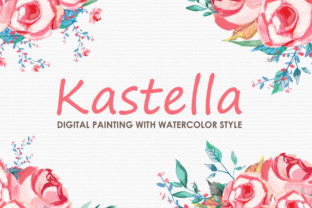
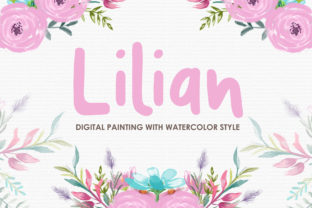
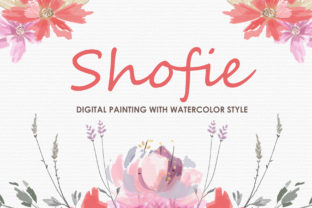
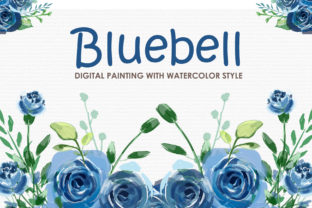
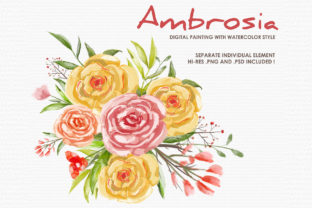
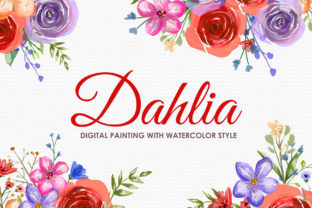
The Dahlia Watercolor Floral Style Clipart exudes a gentle, feminine energy that makes it ideal for lifestyle blogs, wellness sites, fashion content, beauty tutorials, and seasonal guides. Its hand-painted feel suggests authenticity and care—key traits for building reader trust. The color palette is subtle yet rich, allowing the clipart to blend seamlessly into most layouts without overwhelming the message.
This illustration supports an editorial mood that is modern but approachable. It feels less like a stiff stock image and more like something crafted by a real artist for real content. That’s exactly what we need when designing for audiences who value personalization and visual sophistication.
Real Publishing Workflow Applications
One of the best things about this watercolor floral clipart is how easily it integrates into various publishing scenarios. Here are some practical use cases:
- Blog Featured Images: Use the dahlia illustration as a background accent or overlay to add depth and personality to your top post thumbnails.
- Pinterest Graphics: Pair it with bold headlines and clean typography for high-performing pins that stand out in a sea of digital noise.
- Newsletter Headers: Bring a touch of organic charm to your email campaigns, especially if you're targeting women in wellness, fashion, or home décor niches.
- Lead Magnets and Digital Guides: Incorporate it into downloadable resources like worksheets, planners, or digital printables to make them visually appealing and trustworthy.
- Category Thumbnails: Create cohesive category pages on your blog or website with this asset as a repeating motif or icon.
- Canva Templates: If you're using Canva for social media posts or content upgrades, this clipart can help you maintain a consistent creative style across all platforms.
Visual Hierarchy and First Impressions
In terms of visual hierarchy, the Dahlia Watercolor Floral Style Clipart works well in supporting roles rather than as the main focus. It adds texture and interest without distracting from key messages like headlines or calls to action. However, when placed thoughtfully, it can draw attention and frame important content elements beautifully.
Its soft edges and muted tones mean it doesn't compete with text, which is crucial when designing for readability. Whether you're working on a blog header or a social media preview, this illustration helps create a stronger first impression by signaling that the content behind it is curated and professional-looking.
Supporting Content Performance and Branding
When it comes to content marketing and affiliate marketing, visuals matter. A polished look can increase click-through potential and keep readers engaged longer. The Dahlia Watercolor Floral Style Clipart contributes to this in several ways:
- Stronger First Impression: The aesthetic appeal of watercolor illustrations immediately captures attention and conveys a sense of quality.
- Clearer Visual Hierarchy: By adding subtle layers of detail, it helps differentiate sections of your page without cluttering the layout.
- Better Click-Through Potential: On Pinterest and social media, these types of illustrations often perform better because they’re perceived as more original and engaging.
- Consistent Brand Identity: Repeated use across your site builds a recognizable visual language that reinforces your brand’s tone and values.
- Improved Reader Trust: High-quality editorial illustrations show that your content is worth investing time in, especially in niches where aesthetics play a big role in consumer decision-making.
- Stronger Visual Identity: With its unique brush strokes and color blending, this clipart adds character to otherwise flat designs, helping your site feel more alive and intentional.
- Hero Images: Add a layer of botanical elegance to your homepage banners or landing page headers.
- Article Thumbnails: Use it as a background or border element to give each post a unique yet cohesive look.
- Pinterest Pins: As mentioned earlier, it's perfect for crafting eye-catching images that stop scrollers in their tracks.
- Content Upgrades: Enhance your lead magnets such as digital guides, printable checklists, or worksheets with this soft, elegant style.
- Website Banners: Especially useful for small business branding in niches like wedding planning, skincare, or interior design.
- Social Media Previews: Boost engagement on platforms like Instagram and Facebook by incorporating it into your post previews and story templates.
- Small Mobile Thumbnails: The intricate details may get lost in smaller sizes, reducing effectiveness.
- Text-Heavy Blog Images: Too much floral detail can make text harder to read, especially in dense blocks of information.
- Low-Contrast Backgrounds: Avoid placing it over dark or busy backgrounds unless you plan to mask or simplify the design.
- Busy Layouts: In multi-element compositions, this clipart could be drowned out or become a distraction.
- Corporate or Serious Niches: For tech blogs, legal websites, or financial services, a minimalist approach might be more appropriate.
- Websites with Minimal Visual Systems: If your brand leans toward a very clean, modern design, this illustration may not fit unless used sparingly.
- Test on Desktop and Mobile Screens: Make sure the design remains legible and aesthetically pleasing at different resolutions.
- Check Thumbnail Quality: How does it look when compressed and resized? Will the dahlia still be recognizable?
- Preview in a Real Blog Layout: See how it interacts with your fonts, colors, and other design elements in context.
- Test with Headline Text: Overlay it with your typical headlines to evaluate contrast and readability.
- Try Black and White Versions: Watercolor illustrations often retain their charm in grayscale, making them suitable for printed materials or monochrome themes.
- Pair with Different Fonts: Try it beside serif, sans serif, script, handwritten, and display font styles to find the best typographic match.
- Review File Size: Optimize for web performance—large file sizes can slow down load times and hurt SEO.
- Confirm Commercial Licensing: Before using it on monetized websites, affiliate pages, or paid content products, ensure you have the proper commercial license.
Where This Illustration Shines
There are several areas where the Dahlia Watercolor Floral Style Clipart truly excels:
Where to Use It Carefully
While the Dahlia Watercolor Floral Style Clipart is incredibly versatile, it’s not always the right fit. Consider using it carefully in the following situations:
Practical Tips for Designers and Publishers
To ensure the best results when using Dahlia Watercolor Floral Style Clipart, follow these practical steps:
Conclusion for Creative Entrepreneurs and Bloggers
The Dahlia Watercolor Floral Style Clipart is a powerful addition to any content creator’s toolkit. It brings a level of editorial polish that elevates everything from blog headers to downloadable resources. While it may not suit every niche or platform, for those looking to infuse their content with a sense of artistry and warmth, this illustration is a valuable design asset.
Whether you're publishing seasonal content, launching a new digital product, or simply trying to build a more cohesive brand identity, consider how the dahlia can support your visual strategy. Used correctly, it will help you stand out in the crowded world of online publishing while maintaining a professional and trustworthy appearance.