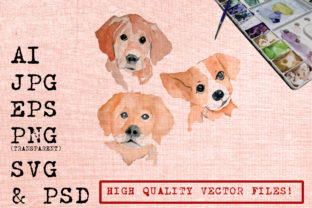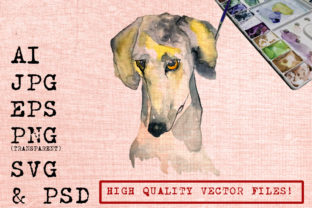
Cute Dog Illustrations
As a blog designer and digital publisher, I’m always on the lookout for high-quality graphic design assets that elevate content presentation and support editorial quality. Cute Dog is one such illustration that brings a playful yet professional aesthetic to real website and content publishing projects. Whether you're creating blog graphics, social media visuals, or digital guides, this asset offers versatility and visual appeal that can enhance your creative workflow.
The First Impression of Cute Dog
Cute Dog immediately catches the eye with its charming and approachable style. The illustration exudes a friendly, lifestyle-focused vibe that feels perfect for niches like pet care, family blogs, wellness, and lifestyle content. Its soft lines and expressive features create an editorial mood that’s both inviting and professional, making it ideal for content that needs to feel trustworthy and engaging.
This design works well in modern design contexts, blending seamlessly into clean layouts while adding a touch of personality. It doesn’t feel overly decorative or childish, which makes it suitable for a wide range of content types, from educational resources to casual blog posts.
Real-World Publishing Use Cases
Cute Dog is a powerful graphic design asset that can be used across multiple publishing platforms. For bloggers, it’s an excellent choice for featured images, Pinterest pins, and article headers. Its visual appeal helps capture attention, which is crucial for increasing click-through rates and engagement.
In editorial design, Cute Dog can serve as a recurring visual element that strengthens brand identity. It works well as a website header, newsletter banner, or category thumbnail, offering consistency without being overwhelming. When used in digital products like worksheets, eBook covers, or downloadable printables, it adds a polished and professional look that enhances user experience.
For content marketers, this illustration can be a key component in lead magnets, content upgrades, and social media graphics. It also fits naturally into Canva templates, making it easy for designers and publishers to integrate into their workflows.
How Cute Dog Supports Content Performance
One of the strongest aspects of Cute Dog is its ability to improve visual hierarchy. Its clear composition and bold outlines make it stand out in a crowded digital space, helping readers quickly identify key content. This is especially useful for blog graphics, where clarity and impact are essential.
When used in affiliate marketing or content marketing campaigns, Cute Dog can help build reader trust by reinforcing a cohesive brand identity. Its consistent use across different formats—like social media posts, email newsletters, and website banners—creates a stronger visual presence that resonates with audiences.
Additionally, this illustration supports better category recognition. By using it consistently in related content, publishers can help readers navigate their site more easily and find relevant information faster. It also contributes to a more professional-looking content page, which is critical for maintaining credibility and engagement.
Where Cute Dog Works Best
Cute Dog excels as a hero image, article thumbnail, or Pinterest pin. Its size and clarity make it ideal for these formats, where first impressions matter most. In editorial layouts, it can act as a subtle accent that adds visual interest without distracting from the main content.
It’s also a great fit for downloadable resources like worksheets, digital guides, and printable designs. As a lead magnet, it can attract users and encourage them to engage with your content. In social media previews, it helps increase visibility and click-through potential.
Where to Use Cute Dog Carefully
While Cute Dog is versatile, it may not work best in every scenario. On small mobile thumbnails, the details might get lost, so it’s important to test how it looks at different sizes. In text-heavy blog images, it could compete with the content, so balance is key.
For serious professional niches or corporate content, this illustration may feel too playful. Similarly, in busy layouts or low-contrast backgrounds, it might not stand out as effectively. Publishers should consider the tone and context of their content before using it in these situations.
Publisher Notes: Testing and Implementation
Before finalizing any design asset, it’s essential to test it in real-world scenarios. Preview Cute Dog inside a blog layout to see how it interacts with other elements. Check how it looks as a thumbnail, with headline text, and in black and white. Test it beside different font styles—serif, sans serif, script, handwritten, and display—to ensure readability and visual harmony.
Also, review the file size for web performance and compress images properly to maintain fast loading times. Confirm that the commercial license allows use on monetized websites, affiliate pages, or paid content products. Always verify licensing terms to avoid any legal issues down the line.
Conclusion: A Versatile Asset for Creative Publishing
Cute Dog is a valuable addition to any designer’s or publisher’s toolkit. Its blend of charm and professionalism makes it suitable for a wide range of content publishing needs. Whether you’re working on blog graphics, social media visuals, or digital guides, this illustration can help elevate your creative design and strengthen your brand identity.
By integrating Cute Dog into your workflow, you can create more engaging, visually appealing content that resonates with your audience. It’s a reminder that even small design choices can have a big impact on content performance and reader trust.